
Medical Superintendents

26-07-2022 - 30-03-2023
Medical Superintendent (MS) is a senior administrative position in a hospital, responsible for overseeing its day-to-day operations and ensuring efficient delivery of healthcare services. The MS serves as a bridge between the medical staff and the hospital management, combining leadership and clinical expertise to maintain high standards of care.
Dr Ahtisham was also among those who strive hard for the betterment of patients.
-
Medical Management: Ensuring that the hospital provides quality healthcare services to patients. This may involve setting medical standards, overseeing clinical operations, and ensuring adherence to ethical guidelines.
-
Staff Supervision: Managing medical staff, including doctors, nurses, and other healthcare professionals. This may involve recruiting, training, and evaluating staff performance.
-
Budgeting and Resource Management: Overseeing the hospital’s budget, ensuring that resources are efficiently used, and managing the procurement of medical supplies and equipment.
-
Policy Implementation: Developing and enforcing policies and procedures related to patient care, safety, and medical practices. They also ensure the hospital complies with health regulations and accreditation standards.
-
Collaboration with Other Stakeholders: Coordinating with government agencies, insurance companies, and other healthcare organizations. They may also work with other hospital administrators to improve services and implement healthcare programs.
-
Patient Care Quality: Monitoring and ensuring that patient care meets high standards of quality and safety. This includes addressing patient complaints, ensuring proper medical procedures are followed, and assessing patient satisfaction.
-
Strategic Planning and Development: In some cases, the Medical Superintendent may be involved in long-term planning for hospital development, including expanding services, upgrading facilities, or introducing new technologies.
In essence, the Medical Superintendent is a bridge between medical and administrative functions, ensuring that both aspects work in harmony to provide excellent patient care while maintaining operational efficiency. The role may vary slightly depending on the size and type of facility.
30-03-2023 - 31-03-2024
The MS plays a crucial role in the efficient functioning of a hospital, balancing administrative duties with patient care oversight. Their leadership ensures that the hospital operates smoothly, staff are well-supported, and patients receive high-quality medical attention.
Dr Munir Malik worked for overall betterment of Services Hospital.
Public Relations and Community Engagement
- Represent the hospital in public forums, conferences, or meetings with government agencies.
- Build relationships with the local community, other hospitals, and health organizations.
- Promote health awareness programs and community health initiatives.
-
Leadership and Staff Management
- Team Leadership: The Medical Superintendent leads medical and non-medical staff, including doctors, nurses, administrative staff, and support personnel. They foster a positive work culture, motivate the team, and ensure effective communication across all departments.
- Performance Management: They are responsible for evaluating staff performance, providing feedback, conducting appraisals, and offering professional development opportunities to enhance skills and career growth.
- Conflict Resolution: They handle interpersonal conflicts or disputes between staff members, addressing grievances, and maintaining a harmonious work environment.
- Recruitment and Training: They play a key role in hiring skilled medical professionals and supporting ongoing training and professional development initiatives.
- . Resource Management
- Budget and Financial Oversight: Medical Superintendents oversee the hospital’s budget, ensuring funds are used efficiently for medical equipment, staff salaries, patient care, and operational costs. They are also responsible for identifying areas for cost savings without compromising care quality.
- Medical Supplies and Equipment: They manage the procurement of necessary medical supplies and equipment, ensuring they are of good quality, in stock, and used efficiently.
- Facility Management: They ensure that the hospital’s physical infrastructure is well-maintained, ensuring the building, equipment, and patient areas are safe, clean, and in good working order.

01-04-2024 - To-Date
Dr Abdul Mudabbir Rehan has the following abilities....
-
Administrative Leadership
- Oversee the hospital's daily operations, including patient care, staffing, and resource allocation.
- Ensure that hospital policies and procedures are implemented effectively.
- Coordinate with various departments (nursing, pathology, radiology, etc.) for smooth functioning.
-
Staff Management
- Supervise medical staff, including doctors, nurses, and allied healthcare professionals.
- Address staffing requirements and ensure adequate personnel are available for each department.
- Organize training programs to enhance staff skills and knowledge.
-
Quality Assurance
- Ensure that healthcare services meet regulatory standards and quality benchmarks.
- Oversee the implementation of infection control protocols, patient safety measures, and ethical medical practices.
- Conduct audits and reviews of medical services to identify areas for improvement.
-
Budget and Resource Management
- Manage hospital finances, including budgets for equipment, supplies, and staffing.
- Optimize the use of resources to minimize costs without compromising on care quality.
- Work with procurement teams to ensure the availability of essential medical equipment and supplies.
-
Policy and Compliance
- Ensure that the hospital complies with local and national healthcare regulations.
- Stay updated on changes in medical laws and policies, and implement necessary adjustments in hospital practices.
- Handle legal and ethical issues, including patient grievances or disputes.
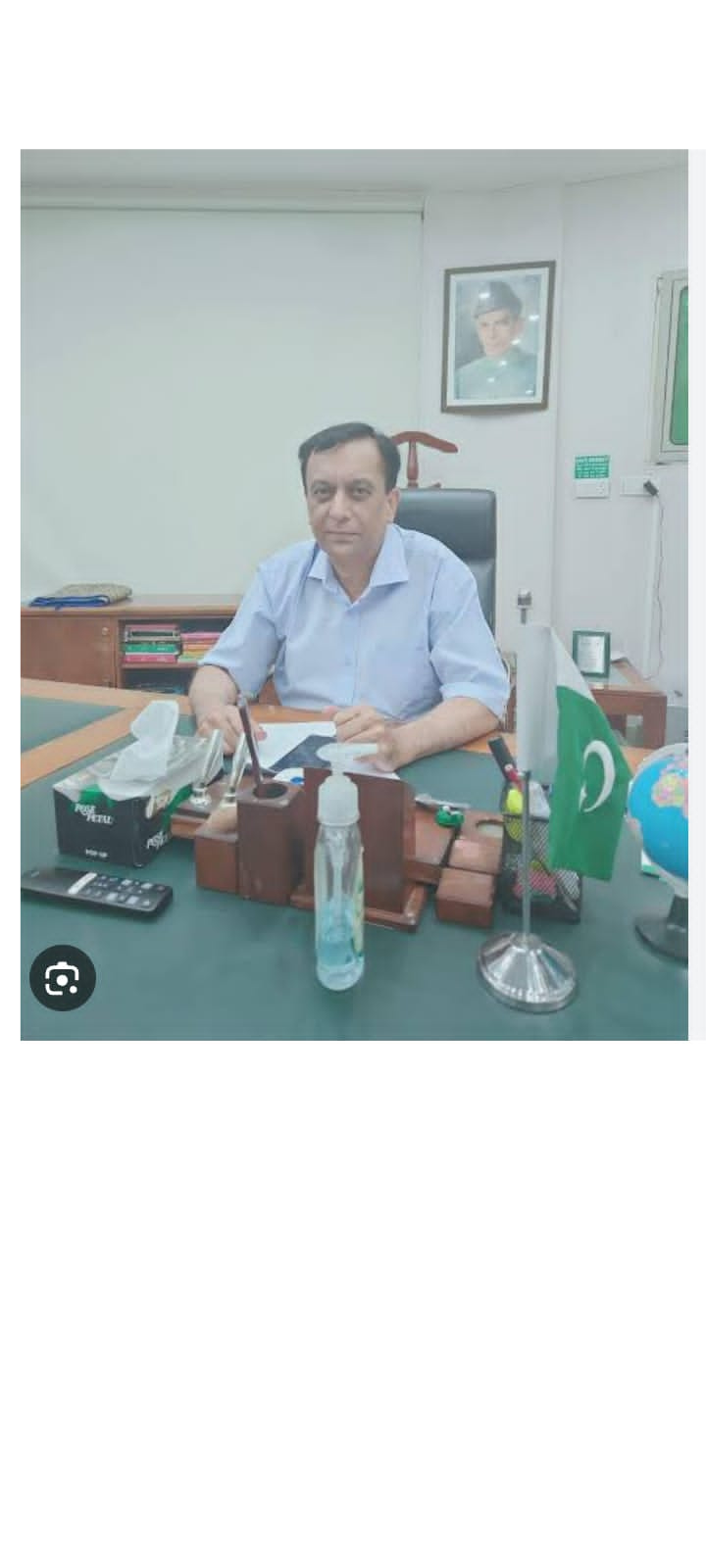
27-11-24 - to-date
Dear Team,
"It is with great honor and humility that I step into the role of Medical Superintendent at services hospital I am excited to join this esteemed institution, which has long been a pillar of excellent healthcare and compassionate service in our community.
As we continue to navigate the evolving landscape of healthcare, my primary goal is to ensure that we not only meet the highest standards of patient care but also foster an environment where every member of our team feels valued, supported, and empowered. Together, we will build on the strengths of this institution, embracing both innovation and compassion as our guiding principles.
The challenges we face in healthcare today are significant, but they are not insurmountable. It is through collaboration, dedication, and a shared commitment to our patients that we will continue to provide world-class care. I look forward to working closely with each of you to enhance our services, improve patient outcomes, and make our workplace one of continuous learning and growth.
Please know that my door is always open to discuss ideas, concerns, or ways in which we can better serve our community. Let’s move forward together with renewed energy, focus, and an unwavering dedication to the health and well-being of those who trust us with their care.
At Services Hospital our mission is to inspire and transform healthcare through the integration of cutting-edge research, compassionate patient care, and exceptional education. We are dedicated to advancing medical knowledge, developing innovative treatments, and fostering a diverse and collaborative environment that empowers both our students and patients. By prioritizing ethical practices, inclusivity, and community well-being, we strive to lead in improving global health outcomes and shaping the future of medicine."
Dr Abid Mehmood Ghauri is seasonal and experienced person. He has vest experience of management.
Strategic Planning and Policy Development
- Setting Operational Goals: The Medical Superintendent helps establish long-term goals and short-term objectives for the hospital or healthcare facility, ensuring that they align with broader healthcare policies and patient care standards.
- Policy Formulation: They develop and implement hospital policies that ensure efficient medical procedures, patient safety, compliance with health regulations, and organizational standards.
- Quality Assurance and Risk Management: They oversee the implementation of quality control and risk management systems, ensuring the hospital complies with accreditation standards and regulations.
- Crisis Management: In times of crisis (e.g., pandemics, natural disasters), the Medical Superintendent is responsible for making swift decisions, allocating resources, and ensuring effective emergency protocols are followed.
1. Patient-Centered Care Management
- Patient Experience Oversight: They ensure the hospital delivers high-quality care, focusing on patient satisfaction, addressing complaints, and improving the overall patient experience.
- Medical Ethics and Legal Compliance: The Medical Superintendent ensures that the hospital follows legal and ethical guidelines regarding patient treatment, confidentiality, and other medical practices.
2. Communication and Coordination
- Internal Communication: They act as a communication hub between various departments, ensuring smooth workflows, sharing updates, and fostering collaboration between clinical and administrative teams.
- External Stakeholder Management: The Medical Superintendent liaises with government bodies, regulatory authorities, insurance companies, and healthcare providers to ensure the hospital’s compliance with external regulations and to foster partnerships.
- Public Relations: They often represent the hospital in public forums, meetings, and media interactions, maintaining the institution’s reputation and visibility.
3. Data and Information Management
- Health Data and Reporting: They oversee the management of health data, ensuring that patient records are accurate, updated, and stored securely. They also ensure that necessary reports and analyses are completed for both internal and external stakeholders.
- Utilization of Technology: They implement and manage healthcare technologies such as Electronic Health Records (EHR), Hospital Information Systems (HIS), and other medical technologies to improve efficiency and quality of care.
4. Compliance and Regulatory Oversight
- Regulation Adherence: The Medical Superintendent ensures that the hospital complies with all applicable healthcare regulations and accreditation standards (e.g., JCI, ISO).
- Legal and Ethical Management: They monitor and enforce compliance with laws related to patient rights, medical procedures, and ethical practices in the healthcare setting.
In summary, as a manager, the Medical Superintendent plays a multifaceted role, balancing the clinical aspects of healthcare delivery with administrative functions. They provide strategic direction, manage resources, and ensure that both patient care and the hospital’s operations are running efficiently. The position requires a blend of medical expertise, leadership skills, financial acumen, and an understanding of healthcare regulations.
Thank you for your commitment to excellence. I am confident that, together, we will achieve great things.
Sincerely,
Dr Abid Mehmood Ghauri
Medical Superintendent
Services Hospital